
Flying Star Aviator · Knowledge base
DGCA exams, CPL and pilot training in India — answered from the source documents
- Guides
- 16
- Topics
- 3
- Primary documents cited
- 2
DGCA exams
The DGCA Flight Crew theory papers, taken one question at a time: who may appear, what each licence is examined on, what a paper costs, and how long a pass lasts.
 DGCA Exams
DGCA Theory Subjects by Licence: PPL, CPL and ATPL Compared
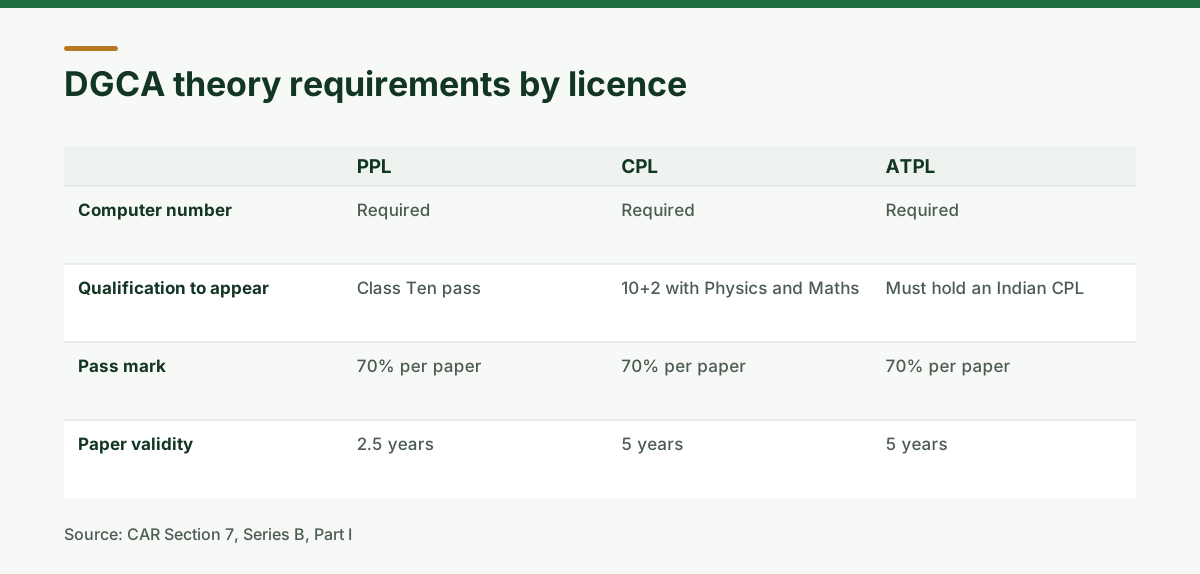
The three pilot licences do not share a syllabus, a qualification requirement, or a validity period. A PPL candidate sits a Composite Paper on a Class Ten pass; a CPL candidate sits four subjects on 10+2 with Physics and Mathematics; an ATPL candidate must already hold an Indian CPL. Here is the whole comparison in one table.
4 min readLast verified
 DGCA Exams
DGCA Exam Fees: What a Paper Actually Costs, and What Is Not Published
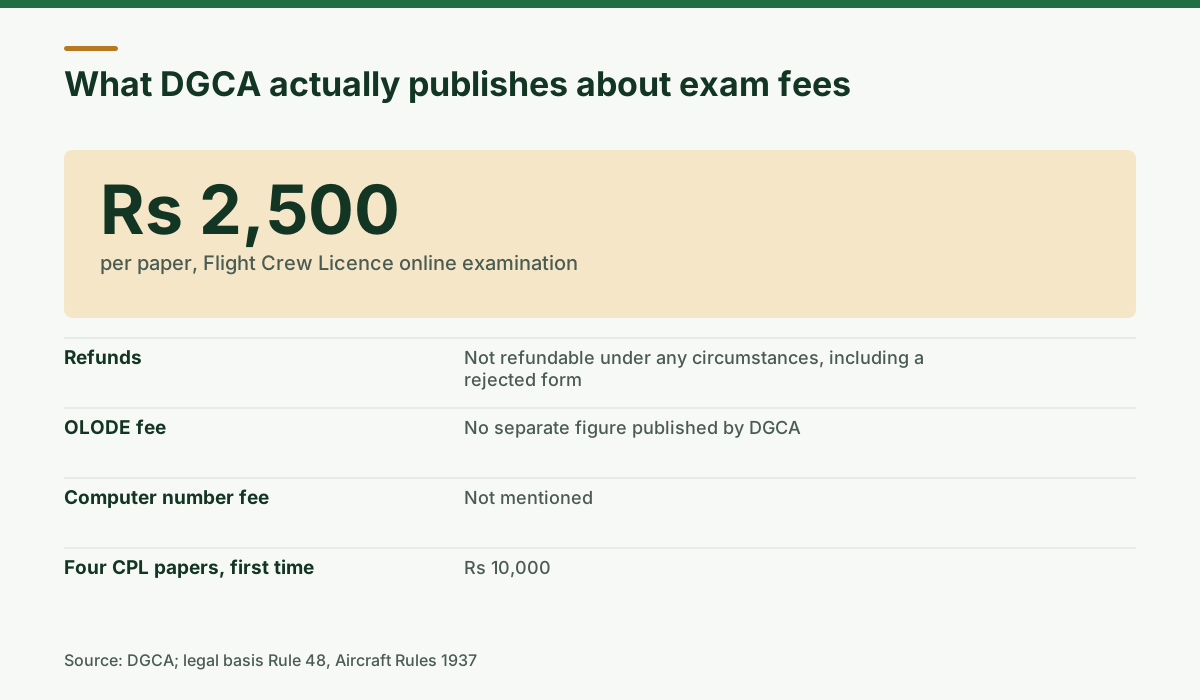
DGCA publishes one examination fee for Flight Crew papers: Rs 2,500 per paper, not refundable under any circumstances. It publishes no separate figure for the on-demand route. That single number, and its non-refundability, is what a realistic exam budget is built on.
4 min readLast verified
 DGCA Exams
DGCA Exam Validity and Attempts: What Is Published, and What Is Not
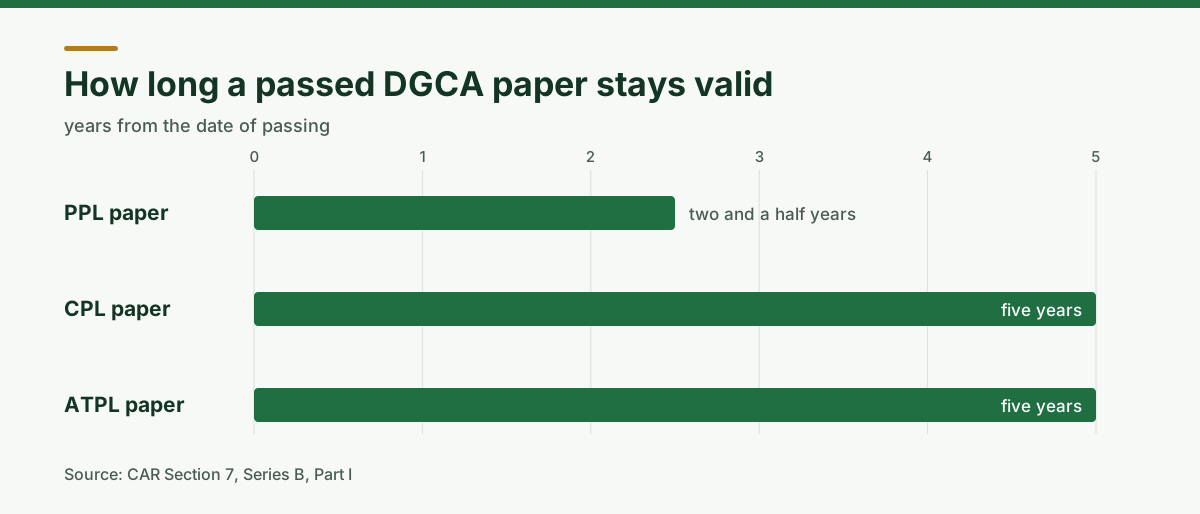
A cleared CPL or ATPL theory paper stays valid five years. A cleared PPL paper stays valid two and a half. DGCA publishes no limit on attempts, so what actually constrains you is that window and a non-refundable fee on every try.
4 min readLast verified
 DGCA Exams
DGCA OLODE vs Regular Sessions: How On-Demand Flight Crew Exams Work
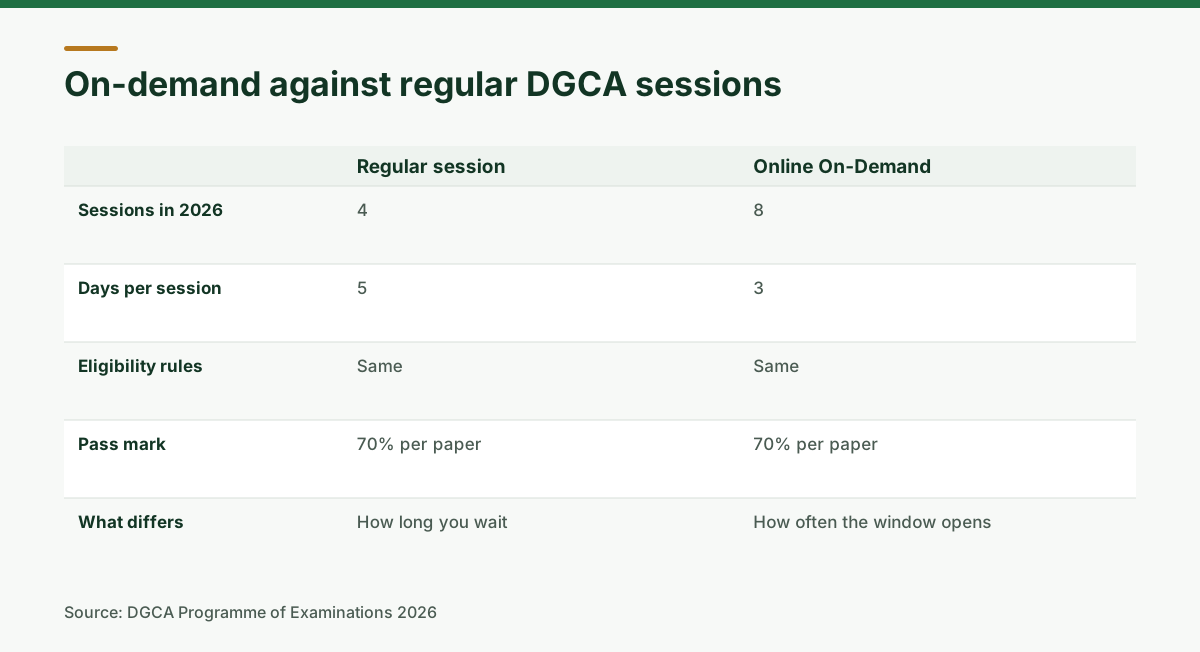
DGCA conducts Flight Crew examinations in scheduled sessions and through the Online On-Demand Examination route, where you pick a slot instead of waiting for a session date. The eligibility, the syllabus and the 70% pass mark are identical either way. What changes is timing, and how much control you have over it.
5 min readLast verified
 DGCA Exams
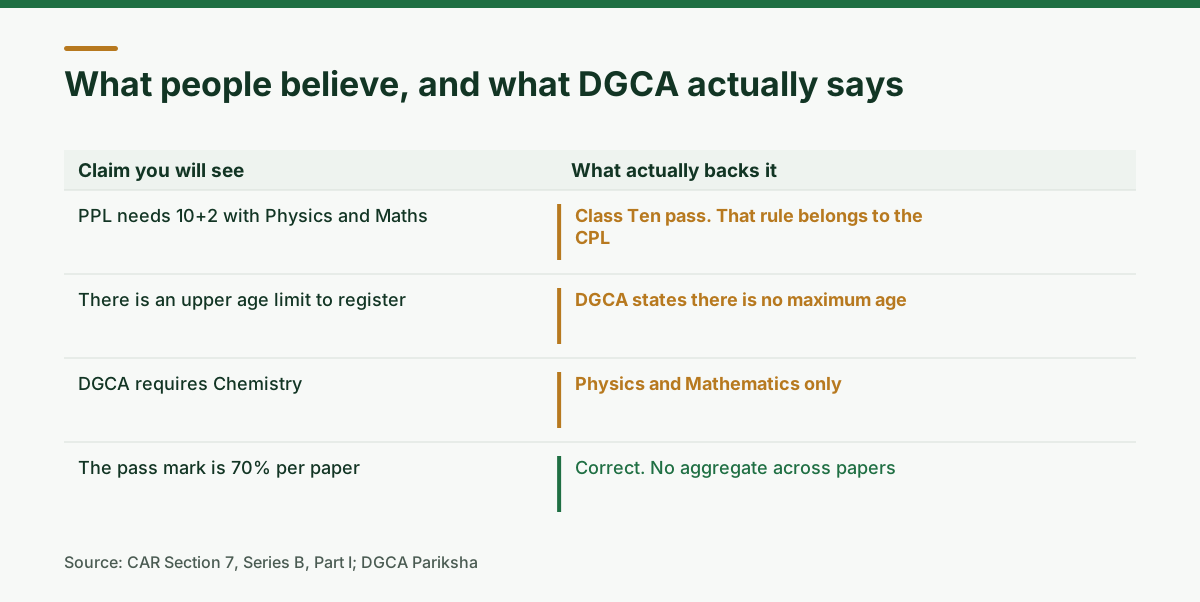
Common Misconceptions About DGCA Exams: What the Rules Actually Say
Most of what circulates about DGCA exam eligibility is wrong in the same few ways. Chemistry is not required. There is no maximum age. Ground classes are not mandatory. Each correction below is checked against DGCA's own published rules, with the source named.
5 min readLast verified
 DGCA Exams
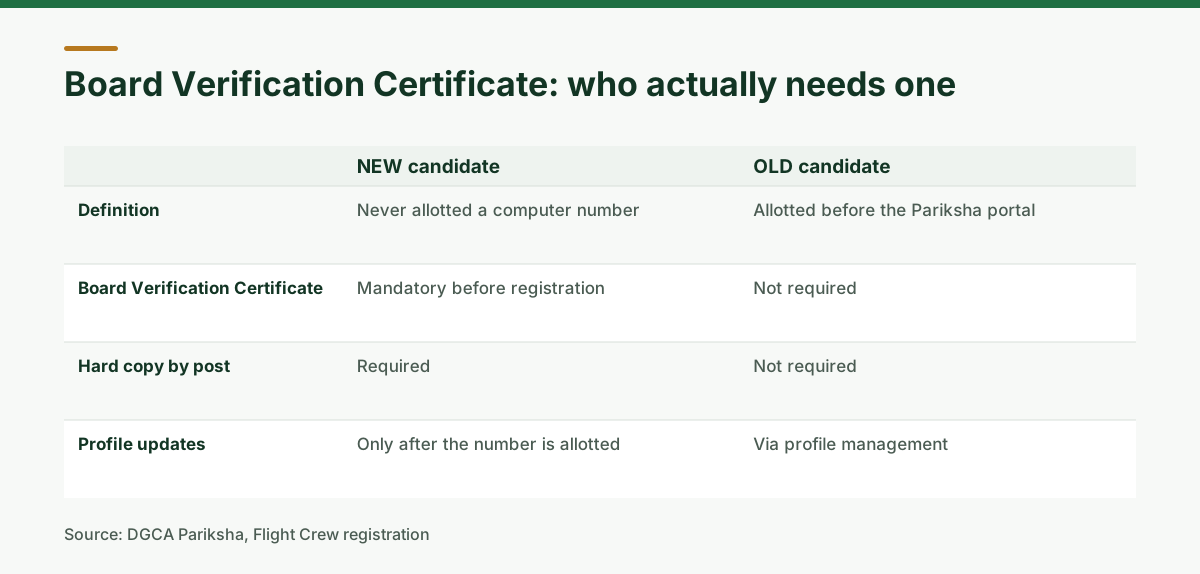
DGCA Board Verification Certificate: What It Is and Who Needs One
A Board Verification Certificate is issued by your school board to certify that your mark sheet is genuine. DGCA requires one from every NEW Flight Crew candidate before registration, for Indian and foreign candidates alike. Candidates who already held a computer number before the Pariksha portal launched do not need one.
4 min readLast verified
Licences and eligibility
What each Indian pilot licence requires of you before you can appear at all — schooling, an existing licence, or currency on a rating earned abroad.
 Licences & Eligibility
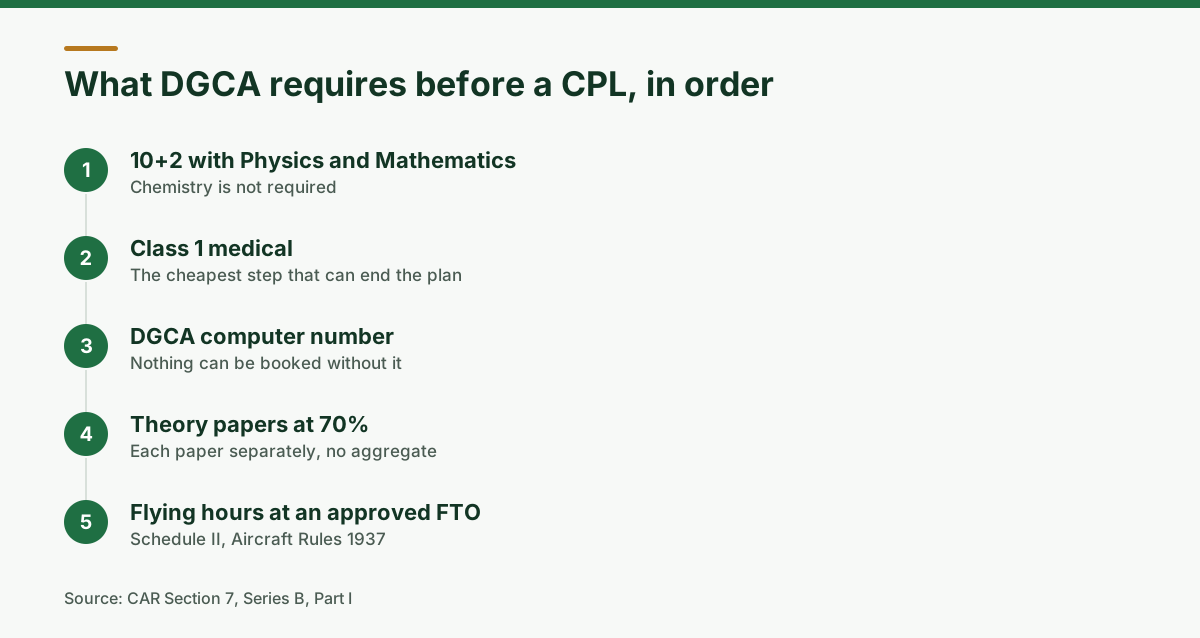
CPL Eligibility After 12th: What DGCA Actually Requires
To appear for DGCA Commercial Pilot Licence theory papers you need a computer number and a pass in 10+2 with Physics and Mathematics. Not Chemistry. There is no maximum age. Two rules, and both are stated wrongly across most of this vertical.
5 min readLast verified
 Licences & Eligibility
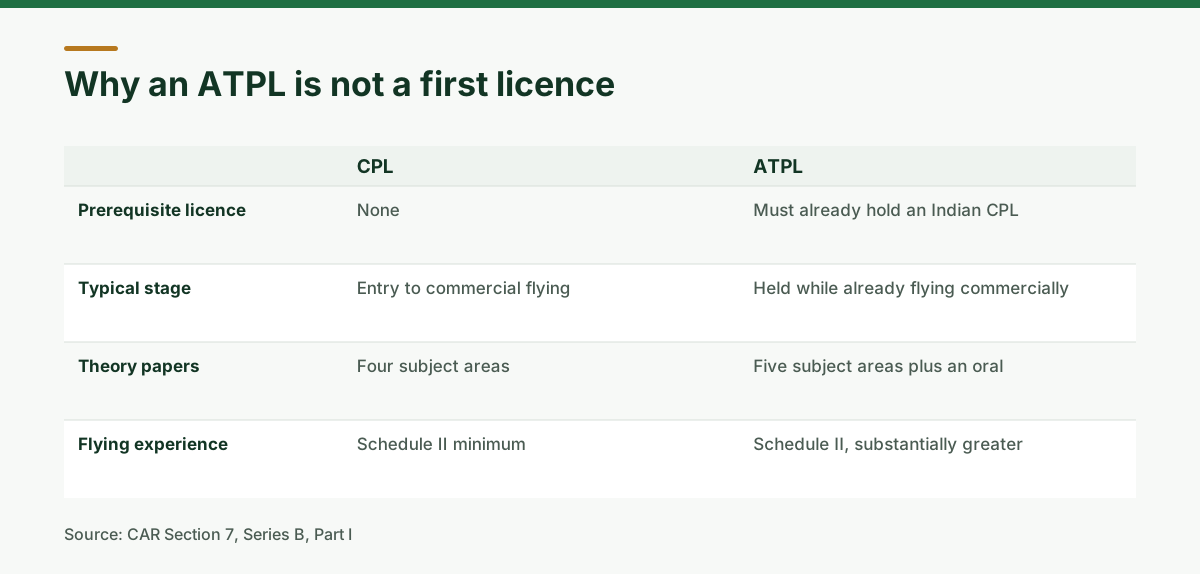
ATPL Eligibility in India: Why It Is Not a First Licence
An Airline Transport Pilot Licence is not a starting point. DGCA states an ATPL applicant should already hold an Indian Commercial Pilot Licence, with a separate route for defence personnel, and that an ATPL is not issued on a single-engine aircraft. Both facts change how you plan the hours.
4 min readLast verified
 Licences & Eligibility
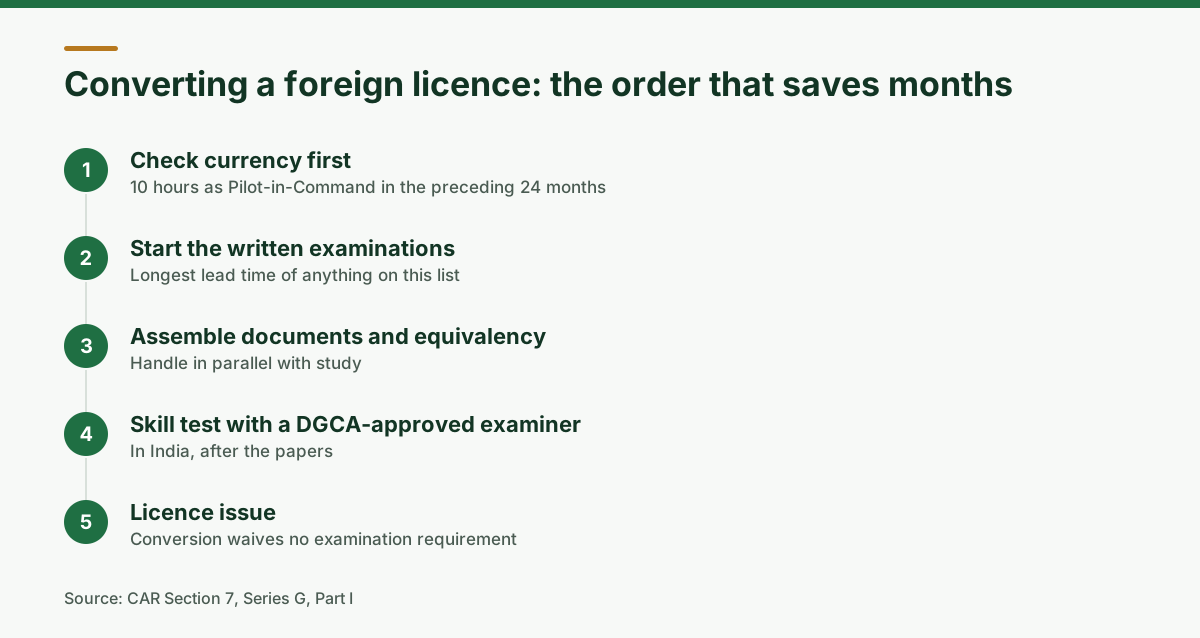
Converting a Foreign Pilot Licence: The Document and Currency Checklist
Converting a foreign licence to an Indian one turns on one clause most candidates read too late: your rating must be current, defined as at least 10 hours as Pilot-in-Command in the 24 months before you apply. Treat it as a deadline, not a footnote.
4 min readLast verified
Choosing training
How to judge a ground school or a flying training organisation before money changes hands, and what the regulator does and does not certify about either.
 Choosing Training
DGCA Ground Classes vs Self-Study: Which Route Actually Clears the Exams?
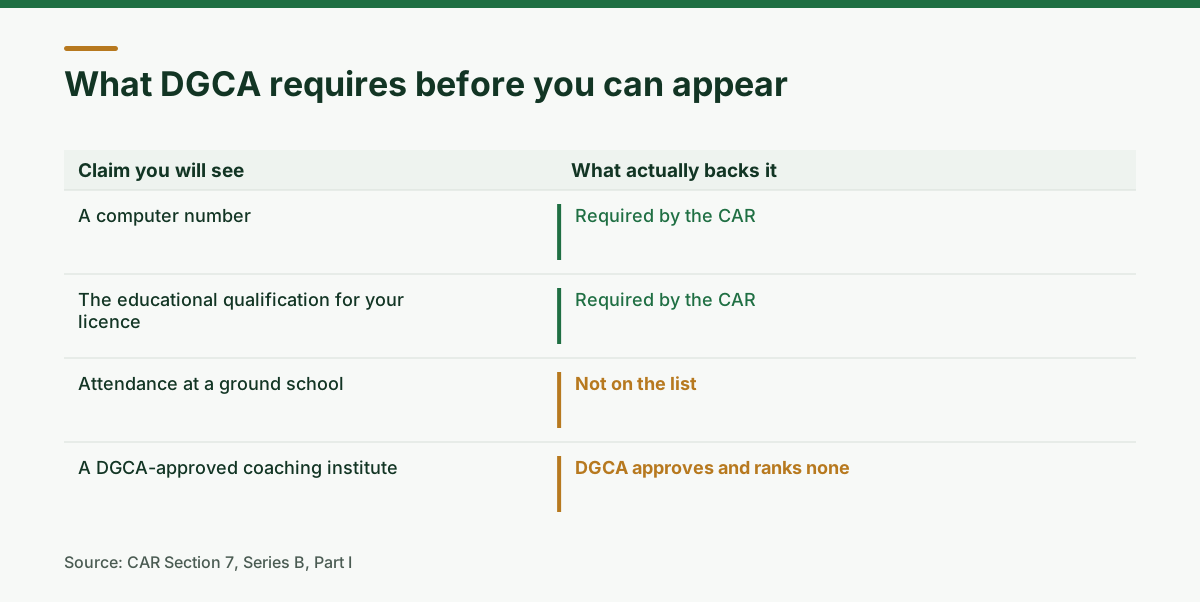
TL;DR: DGCA ground classes are not mandatory. CAR Section 7, Series B, Part I requires only a DGCA computer number and a 10+2 pass with Physics and Mathematics to appear for CPL theory papers. Ground classes are a study decision, not a licensing one — worth buying for Air Navigation and Air Regulation, and usually skippable for Technical General and Meteorology if your PCM base is current.
15 min readLast verified
 Choosing Training
How to Choose DGCA Ground Classes: 12 Questions to Ask Before You Pay
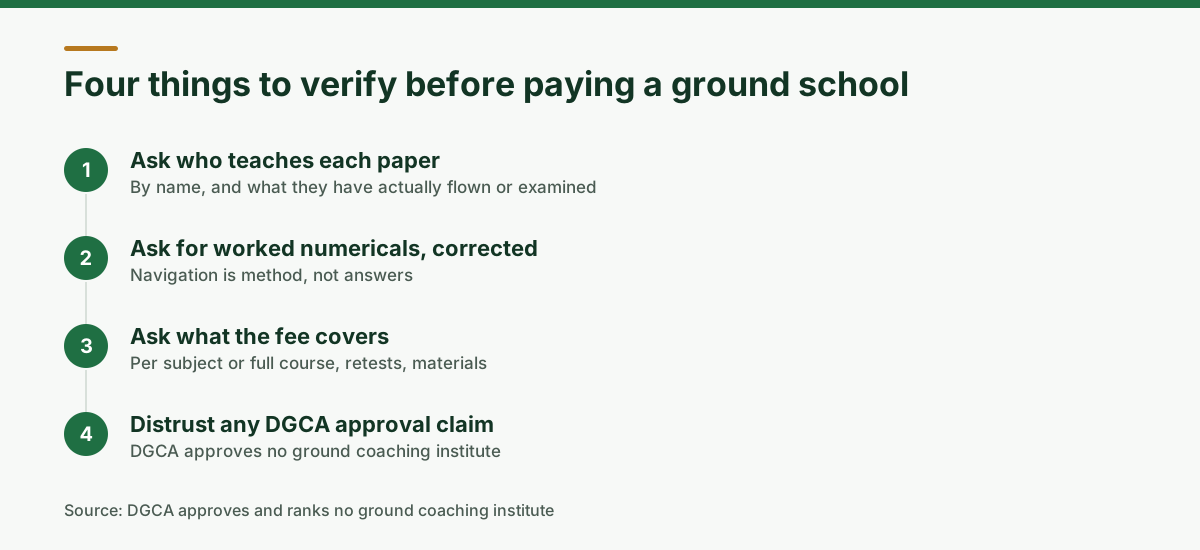
TL;DR: DGCA does not accredit ground coaching institutes, so the fee alone tells you nothing about quality. Verify the faculty by name, ask how mock tests are marked, confirm you can buy single papers instead of a full package, and get the fee breakdown and refund terms in writing before you pay.
14 min readLast verified
 Choosing Training
How to Choose a Flying School in India: What to Verify Before You Pay
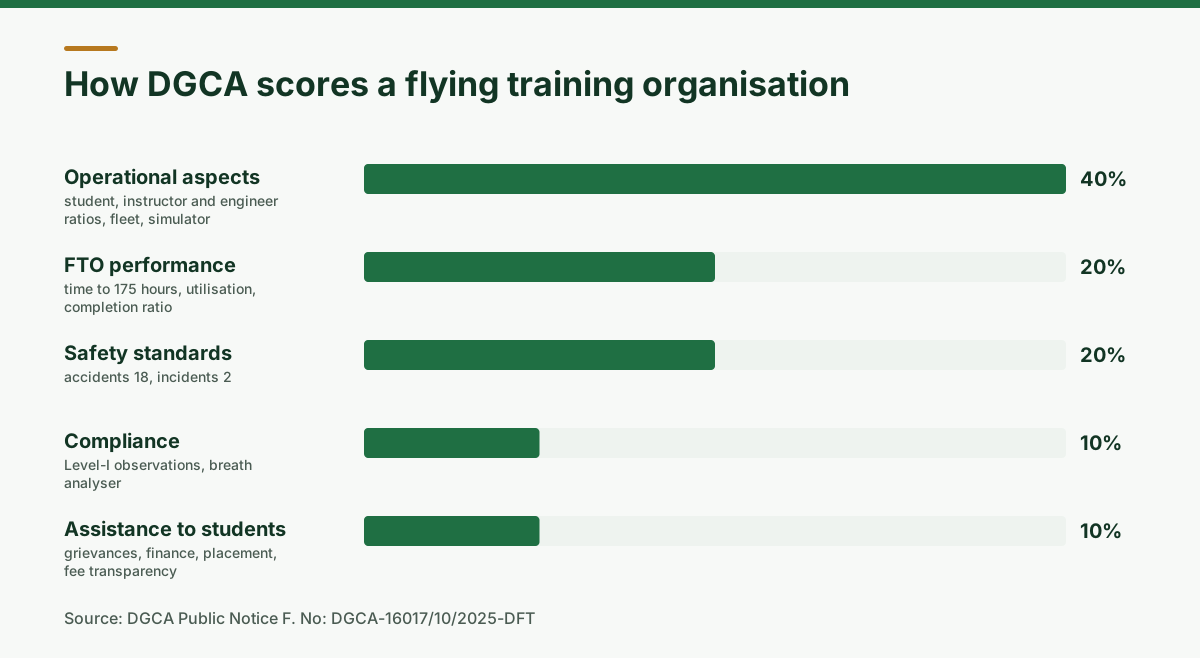
TL;DR: Verify three things before paying a flying school. That its DGCA approval is current, checked on the regulator list rather than the brochure. That it will state in writing what students actually flew per month over the last six months. And what happens to your money and your unused prepaid hours if you leave.
16 min readLast verified
More
Pages that do not yet sit in a topic. They get one when there is enough behind them to be worth a page of its own.
 Career
Cadet Pilot Programme vs Self-Sponsored CPL: What Actually Differs
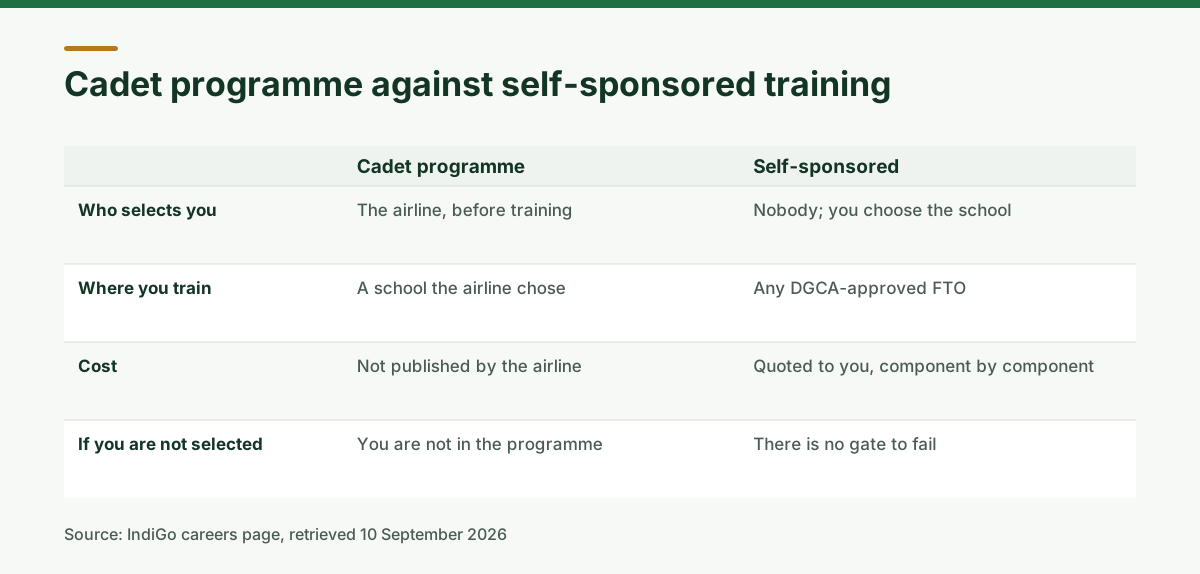
TL;DR: A cadet pilot programme and a self-sponsored CPL lead to the same DGCA licence, with identical theory papers and pass marks. What differs is sequence: a cadet programme selects you before training and usually attaches a service bond; self-sponsored training lets you choose your own FTO, with no placement guarantee.
14 min readLast verified
 DGCA
DGCADGCA Exam Pass Rate: What the Data Actually Shows
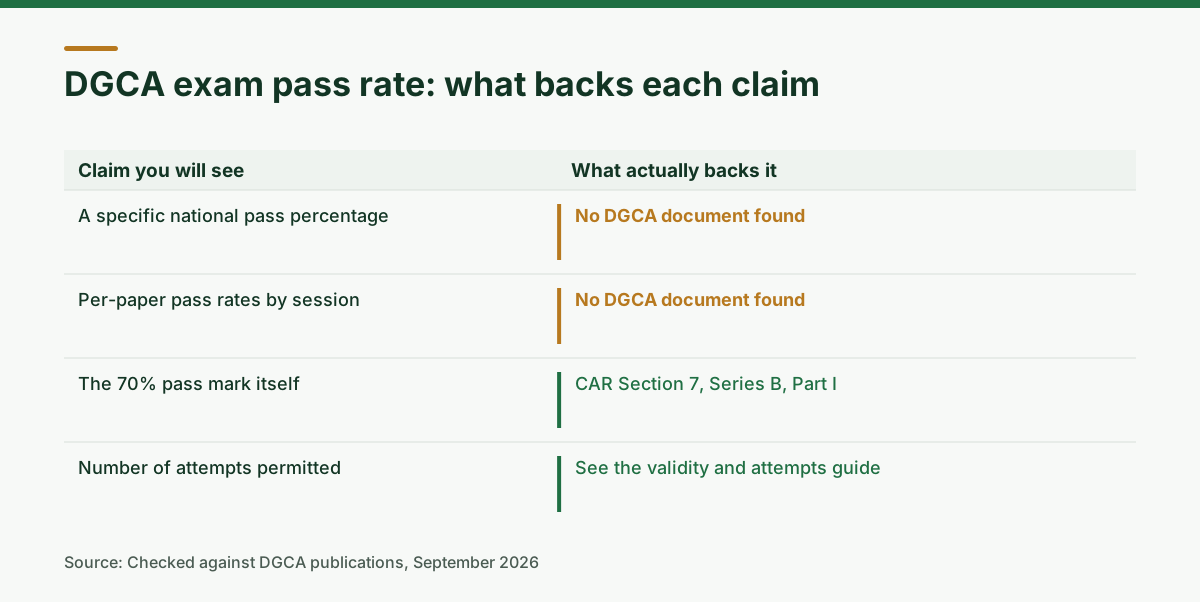
TL;DR: DGCA does not publish a pass rate for CPL or ATPL theory papers. Every specific percentage circulating online is an estimate from a coaching site, not a regulator figure. What is actually knowable: each paper is graded independently at 70%, papers stay valid five years, and your own mock scores predict your result far better than any population statistic.
13 min readLast verified
 DGCA
DGCARTR(A) Exam 2026: What Changed Now That DGCA Runs It, Not WPC
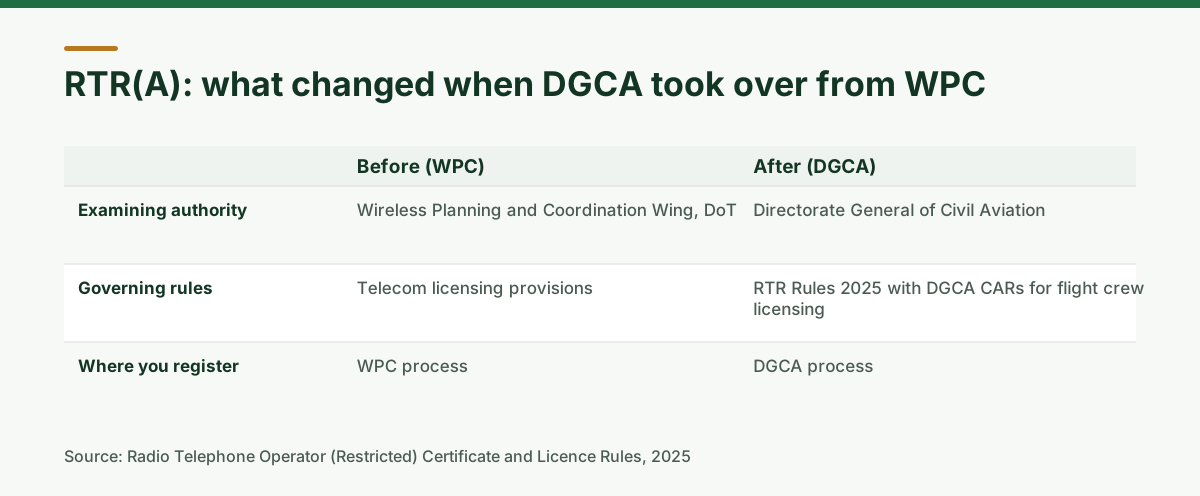
TL;DR: RTR(A) is now conducted by DGCA, not WPC, under the Radio Telephone Operator (Restricted) Certificate and Licence Rules, 2025, effective from the December 2025 session. Registration runs through the same computer-number and Pariksha-portal system as CPL and ATPL papers. Confirm current fees, validity periods and eligibility figures directly on the portal.
15 min readLast verified
 Careers
Cabin Crew Pay in India: What Is Actually Published, and What Is Not
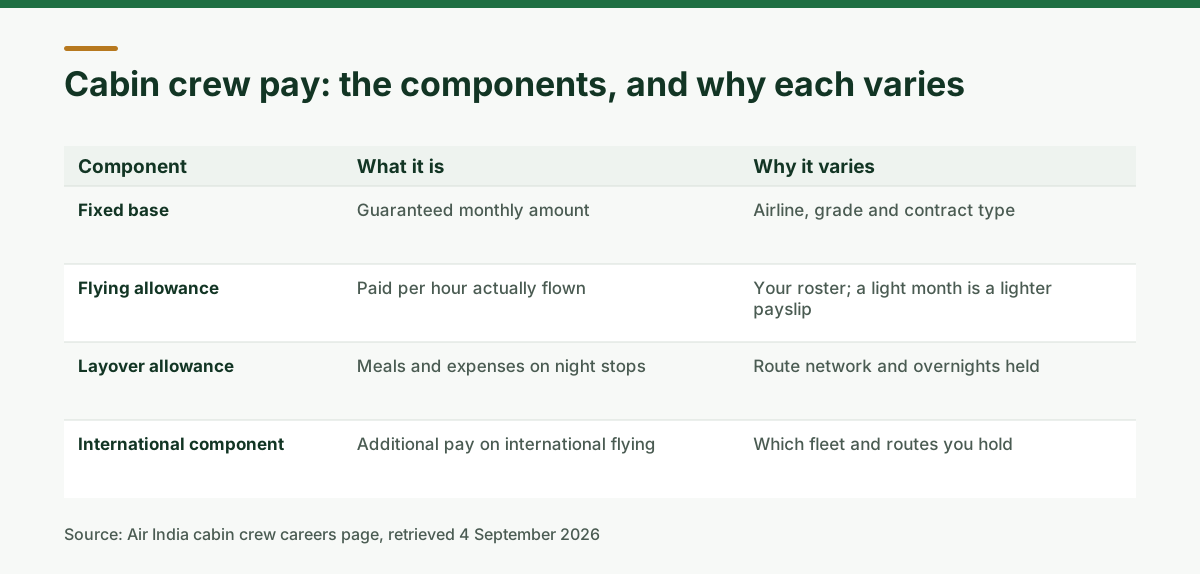
No Indian airline publishes what it pays cabin crew. Air India's own careers page says "competitive salary" and stops there. This page explains what cabin crew pay is made of, what the airlines do publish, why every figure you find online is someone's estimate, and what to ask before you accept an offer.
6 min readLast verified