
Commercial Pilot Licence (CPL) Training in India: DGCA Requirements, Ground School, and Process
A Commercial Pilot Licence (CPL) is a DGCA-issued licence for pilots who meet the applicable eligibility, medical, examination and flight-experience requirements. Flying Star Aviator provides CPL ground training and DGCA examination preparation; aircraft flying training and applicable flight-experience requirements must be completed through an appropriately approved Flying Training Organisation (FTO).
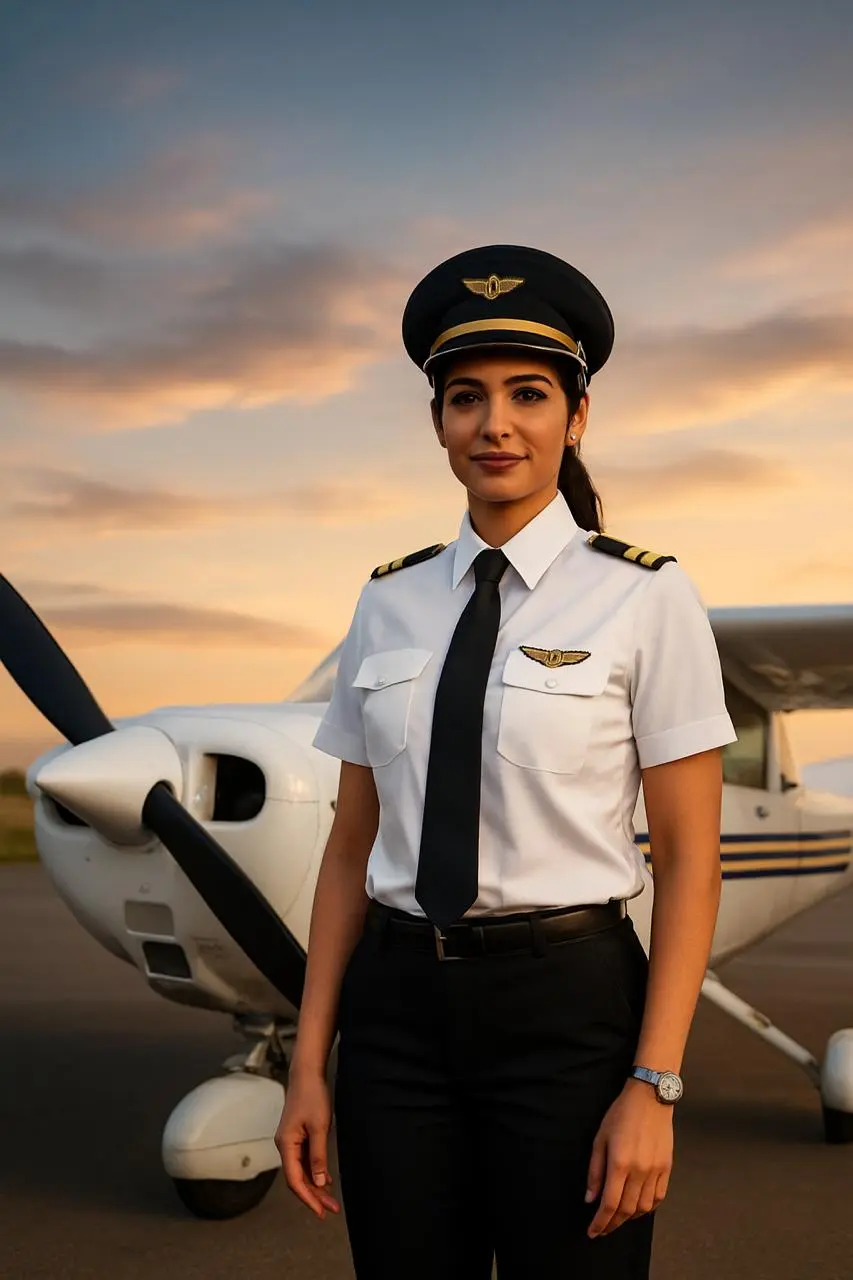
What is a Commercial Pilot Licence (CPL) and How Do You Get One in India?
A Commercial Pilot Licence (CPL) is a DGCA-issued qualification that allows a pilot to fly for remuneration in India. The pathway usually includes eligibility checks, medical clearances, DGCA theory preparation, radiotelephony requirements, and flight training at an approved Flying Training Organisation (FTO).
Sources: DGCA — Pilot licensing and approvals, DGCA examination portal
Last updated:
What Are the DGCA Eligibility Requirements for CPL Ground Training?
Flying Star Aviator is a CPL/ATPL ground-training institute. It provides academic preparation, examination guidance and pathway counselling; aircraft flying training, aircraft operations and applicable skill-test stages are completed separately through an appropriately approved FTO.
DGCA Ground Classes
Academic preparation for the DGCA theory papers that form part of CPL training in India.
View DGCA Ground ClassesDGCA Exam Preparation
Structured subject preparation for the DGCA examination pathway and study planning.
View DGCA Exam PreparationCPL Pathway Guidance
Overview of the CPL process, eligibility checks, and how ground training fits with flying training.
View CPL Pathway GuidanceCareer Guidance
A practical overview of pilot career steps, airline criteria, and the role of ground classes in the process.
View Career GuidanceWhat is the Step-by-Step Process to Earn a CPL in India?
The CPL route in India involves meeting the current eligibility requirements, securing a DGCA computer number where applicable, completing medical checks, preparing for the DGCA theory papers, fulfilling radiotelephony requirements, and completing the applicable flight training at an approved FTO before licensing.
Obtain a DGCA Computer Number
Register on the DGCA flight crew examination system before applying for pilot examinations.
Complete Required Medical Assessments
Complete the Class 2 and Class 1 medical checks required for pilot licensing in India.
Complete DGCA CPL Ground Classes
Study the academic subjects required for the DGCA theory examinations in a structured ground-school setting.
Complete CPL Theory Examinations and RTR(A)
Clear the applicable DGCA theory papers and complete the radiotelephony requirement set by the WPC Wing.
Complete Required Flight Training at an Approved FTO
Fulfill the aircraft flying-hour requirements through an approved Flying Training Organisation.
Complete Skill Tests and CPL Issuance
Complete the necessary flight checks and licensing steps before the DGCA issues the CPL.
What Does the DGCA CPL Theory Examination Syllabus Cover?
CPL ground classes provide academic preparation for the DGCA theory papers that form part of the licensing pathway. These subjects are separate from the practical flight training completed at an approved Flying Training Organisation.
| Subject Paper | Key Modules Covered | Passing Score |
|---|---|---|
| Air Navigation | Practical navigation, flight planning, instruments and route planning | DGCA assessment requirement |
| Aviation Meteorology | Weather systems, clouds, winds, forecasting and operational meteorology | DGCA assessment requirement |
| Air Regulations | Aviation laws, air traffic procedures and rules of the air | DGCA assessment requirement |
| Technical General | Aircraft systems, principles of flight, engines and performance | DGCA assessment requirement |
| Technical Specific | Aircraft type-specific systems and operational knowledge | DGCA assessment requirement |
| RTR(A) Exam | Radio Telephony Restricted (Aeronautical) requirement associated with WPC | Pass requirement set by WPC |
What is the Difference Between CPL Ground Classes and Flying Training?
CPL ground classes provide the academic preparation needed for DGCA theory papers. Flying training is a separate phase that takes place at an approved Flying Training Organisation and covers the required aircraft hours, practical flight experience, and licensing checks.
Educational Qualification
The required educational subjects and accepted equivalent pathways are set by the current DGCA rules. Verify the applicable Physics and Mathematics requirement before enrolling.
Age Requirement
Age requirements vary by licensing stage and current regulation. Confirm the applicable minimum age with DGCA before committing to the pathway.
Medical Fitness
Pilot licensing requires the medical assessments specified by DGCA. Complete the applicable assessment with an authorised examiner and check the current class requirement.
Language Proficiency
Pilot applicants must meet the language and communication standards applicable to their licence and examinations. Confirm the current requirement with DGCA.
What is the Cost Breakdown for CPL Training in India?
The total cost of CPL training varies depending on the flying school, aircraft type, hourly aircraft rates, training duration, and other applicable fees. Ground classes are only one part of the total cost; flight training and medical and examination charges are separate items.
| Training Component | Indicative Cost Range (₹) | Details |
|---|---|---|
| DGCA CPL Ground Classes | Indicative range varies by institute | Academic preparation for the DGCA theory examinations |
| Flying Training at an Approved FTO | Indicative range varies by FTO and aircraft type | Aircraft rental, instructor charges, and flight-hour requirements |
| DGCA Medical Examinations | Indicative range varies by assessment provider | Class 2 and Class 1 medical evaluations |
| DGCA Exam & Licensing Fees | Indicative range varies by exam and licensing stage | Computer number, exam charges and licence-related fees |
| RTR(A) Training & WPC Exam | ₹15,000 – ₹40,000 (verify before payment) | Radiotelephony preparation and examination fees |
| Approx. Total CPL Cost | Indicative total varies significantly by training provider | Includes ground training, flying hours and additional requirements |
A candidate should compare current written quotations from approved training providers before enrolling. The total cost depends on the chosen FTO, aircraft type, flying-hour requirements, location and additional training or living costs.
Sources: DGCA — official licensing and examinations, DGCA examination portal, Wireless Planning & Coordination Wing (WPC)
Last updated:
Career Options & Growth Opportunities After CPL
With the global and Indian aviation markets expanding rapidly, earning a CPL opens doors to high-paying, dynamic career paths.
Commercial Airline First Officer
A CPL is part of the qualification pathway for entry-level airline roles. Airlines may also require additional ratings, checks, experience and selection criteria.
Corporate & Business Jet Pilot
Corporate flying involves operating aircraft for business or private operators. Aircraft-specific training, experience and operator requirements may apply beyond the CPL.
Cargo Airline Operations
Cargo pilots operate scheduled or charter freight flights. The CPL is a foundation, while the employer sets the applicable experience, ratings and aircraft requirements.
Charter Flight Services
Charter operations use aircraft for on-demand passenger or cargo flights. The role can require relevant experience, checks and aircraft or operator qualifications.
Flight Instructor Pathway
Instructional flying is a separate pathway. A CPL alone does not automatically authorise every instructional role; the applicable instructor qualification and experience must be checked.
Career progression is not automatic
A CPL does not guarantee airline employment, salary or promotion. Progression depends on the employer, aircraft type, additional training or ratings, flight experience, checks, recruitment conditions and the roles available at the time.
Quick CPL Course Overview
| Feature | Details |
|---|---|
| Course Name | Commercial Pilot Licence (CPL) ground training |
| Regulating Authority | Directorate General of Civil Aviation (DGCA), India |
| Training Mode | CPL ground classes at Flying Star Aviator; aircraft flying training is completed separately at an approved FTO |
| Minimum Eligibility | The educational, medical and other requirements set by the current DGCA rules |
| Minimum Age | Age requirements depend on the applicable DGCA licensing stage and should be verified before enrolment |
| Flight Training | Flight-experience requirements are governed by the current DGCA regulations and fulfilled at an approved FTO |
| Ground Training Location | Flying Star Aviator, Dwarka, New Delhi |
| Career Pathways | Airline, charter, corporate, cargo or instructional roles may require additional experience, ratings and employer criteria |
Why Choose Flying Star Aviator for CPL Ground Classes?
- CPL ground training: Academic preparation for the DGCA theory subjects that form part of the CPL pathway.
- Examination preparation: Structured subject preparation, revision and guidance for planning DGCA examination attempts.
- Academic guidance: Counselling on how ground training fits with medical, flying-training and licensing stages.
- Pathway clarity: Help understanding the separate role of an approved FTO and the checks a candidate should make before enrolling.
Frequently Asked Questions About CPL Training in India
Common questions about the CPL process, DGCA theory preparation, flying-training requirements, and how ground classes fit into the broader licensing pathway.
What is a Commercial Pilot Licence?
What are the educational requirements for a CPL in India?
What is the minimum age for a CPL?
What is the difference between CPL ground classes and flying training?
Can I complete CPL ground classes before joining a flying school?
How much does CPL training cost in India?
How long does CPL training take?
What subjects are covered in CPL ground classes?
What is RTR(A) and why is it required?
Does Flying Star Aviator provide aircraft flying training?
Does a CPL guarantee an airline job?
Contact Information
Institute Location: C705, Sector 7, Block C, Palam Extension, Dwarka, Delhi, 110077
Phone: +91 99535 36199 / +91 99535 66619
Email: info@flyingstaraviator.com
Enquire About CPL Ground Classes
If you are planning a CPL pathway, clarify the current DGCA requirements, the ground-school scope and the separate FTO flying-training steps before enrolling. We can guide you on the ground-school side of the process and help you understand the broader route.